
Hologram Sticker Philippines: QR Code Hologram Stickers For Anti-Counterfeit Protection

Counterfeit products can create serious problems for a brand. They can reduce sales, damage customer trust, confuse distributors, and make it harder for genuine products to stand out in the market. For businesses in the Philippines, this risk is common in industries such as cosmetics, pharmaceuticals, electronics, FMCG, luxury goods, documents, and e-commerce. Products may pass through manufacturers, warehouses, distributors, online sellers, retailers, and resellers before reaching the customer. Without a reliable security feature, it can be difficult to prove whether a product is genuine. This is why many brands seek hologram sticker solutions in the Philippines. A hologram sticker adds a visible layer of protection to the product. When combined with a QR code, it can also support digital verification, customer engagement, and product traceability. A hologram label is no longer just a shiny sticker. With the right design, it can become part of a wider anti-counterfeit and product authentication system. What Is a Hologram Sticker? A hologram sticker is a security label that uses holographic effects to make a product easier to identify and harder to copy. It may include light-shifting patterns, custom brand elements, serial numbers, or special visual details. Unlike a regular product sticker, a hologram sticker is designed to act as a security marker. Customers, distributors, and retailers can visually inspect it before accepting or using the product. Brands often use hologram stickers on: Product boxes Bottles and jars Cosmetic packaging Electronics packaging Certificates Warranty cards Government or institutional documents Premium or high-risk products For companies searching for hologram sticker printing or hologram printing, the goal is usually not only decoration. The real goal is product protection. Why Hologram Stickers Matter For Anti-Counterfeit Protection A counterfeit product may copy the packaging design, brand colors, and product name. But a customized hologram sticker can make copying more difficult. Hologram stickers help because they provide a visible sign of authenticity. A customer can see that the product has a security feature before scanning, opening, or buying it. A distributor can also use the hologram as part of their inspection process. However, hologram stickers work best when they are not generic. A basic hologram may still be easier to imitate. A stronger hologram label should be customized for the brand and matched to the product’s risk level. For higher-risk products, businesses may also combine hologram stickers with QR codes, serial numbers, or tamper-evident labels. Why Add A QR Code To A Hologram Sticker? A hologram sticker gives visible security. A QR code label adds digital verification. When both are combined, the product has two layers of protection: The hologram provides a physical security feature. The QR code connects the product to a digital verification system. This is useful because customers and distributors can scan the QR code to verify the product’s authenticity. The scan may lead to a verification page, product details, warranty registration, customer support, or campaign page. For example, a cosmetics brand can use a QR hologram sticker so customers can verify the product before use. An electronics brand can use it for warranty checks. A distributor can scan products before accepting stock. This makes QR code label printing useful for more than marketing. It can support product authentication and help brands monitor scan activity. How QR Code Hologram Stickers Help Brands QR code hologram stickers can support brand protection in several ways. First, they make products easier to verify. Customers can scan the QR code and check whether the product is genuine. Second, they can help detect suspicious activity. If the same QR code is scanned many times in different locations, it may suggest that the code has been copied. Third, they can support customer trust. A clear verification process shows that the brand is serious about product safety and authenticity. Fourth, they can support marketing and after-sales engagement. After scanning, customers can be directed to product instructions, warranty forms, loyalty pages, or customer feedback forms. The important thing is to make the scan experience clear. A QR code should not simply lead to a homepage. If the purpose is authentication, the customer should see a clear verification result. When to Use Tamper-Evident Labels Some products need more than visual verification. They also need a way to show if the packaging has been opened, removed, or altered. This is where tamper-evident labels are useful. A tamper-evident label may leave a mark, display a VOID message, break apart, or be difficult to reapply after removal. This helps customers and distributors determine whether the product may have been tampered with. For businesses seeking tamper-proof sticker solutions in the Philippines, tamper-evident materials can be used alongside hologram stickers and QR codes. They are useful for: Sealed packaging Medical products Electronics Logistics packages Bottles and containers Certificates and documents Products vulnerable to refilling or repacking Hologram Stickers, Security Stickers, And Security Seals Different security labels serve different purposes. A hologram sticker is best for visible anti-counterfeit protection. A QR code label is best for digital verification, customer engagement, and scan tracking. A tamper-evident label is best for showing signs of removal or interference. A security seal sticker is best for sealing packages, cartons, documents, or delivery items. Security sticker printing is useful when a brand needs a customized solution that may combine several of these features. For example, a pharmaceutical distributor may need a tamper-evident security label with a QR code. A cosmetics brand may need a QR hologram sticker. A logistics company may need a security seal sticker for delivery packages. The best solution depends on the product, industry, packaging type, and risk level. Industries That Can Use QR Hologram Stickers QR hologram stickers can be useful across many industries in the Philippines. Cosmetics and personal care brands can use them to help customers verify the authenticity of skincare, fragrance, or beauty products. Pharmaceutical and healthcare companies can use them to support authentication, batch tracking, and tamper visibility. Electronics and accessories brands can use them to verify
QR Code Label Printing In The Philippines: A Guide To Smart Packaging And Product Security
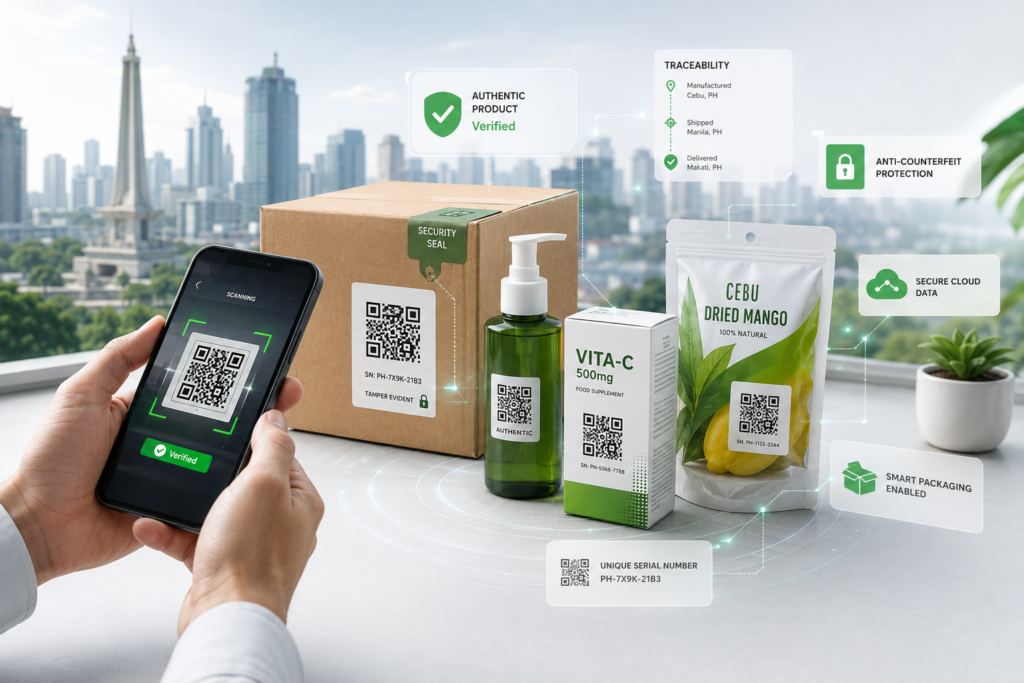
Product packaging is no longer just about appearance. For many Philippine businesses, packaging also needs to protect the product, guide customers, support traceability, and help prove authenticity. This is why QR code label printing has become increasingly important for brands seeking to connect their physical products with digital verification, customer engagement, and supply chain visibility. A well-designed QR code label can do more than send a customer to a website. It can help customers verify a product’s authenticity, register a warranty, access product information, join a promotion, submit feedback, or check whether the packaging has been tampered with. For brands dealing with counterfeits, product diversion, fake online listings, or customer trust issues, QR labels can be part of a wider product security strategy. When combined with tamper-evident labels, hologram stickers, smart packaging systems, and security seals, they can give businesses a stronger way to protect their products from the factory to the customer. At Packtica Philippines, QR code label printing can support product authentication, anti-counterfeit protection, customer engagement, and smarter packaging for different industries in the Philippines. What Is A QR Code Label? A QR code label is a printed label with a scannable QR code. Once scanned, the QR code can lead users to a digital page, verification system, product information, warranty form, feedback page, or promotional campaign. For simple use cases, a QR code may only link to a website. But for businesses that need stronger product security, a QR code label can include more advanced features, such as: Unique serial numbers Dynamic QR code links Product authentication pages Scan tracking Batch or item-level traceability Customer feedback forms Warranty registration Hologram sticker integration Tamper-evident materials This makes QR labels useful for brands that want packaging to do more than carry product details. With the right setup, the label becomes a bridge between the physical product and the brand’s digital system. Why QR Code Label Printing Matters For Philippine Businesses Many Philippine brands sell through a mix of distributors, retailers, e-commerce platforms, resellers, and direct customers. This creates more opportunities for products to be copied, diverted, tampered with, or misrepresented. QR code label printing helps address these issues by giving each product a clear digital touchpoint. For example: A cosmetics brand can use a QR code label to let customers check product authenticity. A food and beverage company can use QR labels to provide batch details, product information, or recall notices. An electronics brand can use QR labels for warranty registration and product verification. An FMCG brand can use QR labels for promotions, loyalty campaigns, or customer feedback. A logistics company can combine QR labels with a security seal sticker to help detect shipment interference. The value is not just in the printed QR code. The value comes from what happens after the scan. How QR Labels Fit Into Smart Packaging In The Philippines Smart packaging in the Philippines refers to packaging that connects physical products with digital experiences, data, or verification systems. QR labels are among the most practical ways to implement smart packaging, as customers already know how to scan them with their phones. This makes QR labels easy to use across many industries. Smart packaging can help brands: Share product information Confirm product authenticity Track scan activity Support customer service Collect feedback Run promotions Register warranties Improve traceability Strengthen anti-counterfeit efforts For Philippine businesses, smart packaging is especially useful because it can support both customer engagement and product protection. A single QR code scan can educate the customer, verify the product, and provide the brand with useful data. Static vs Dynamic QR Code Labels Not all QR codes work the same way. Before investing in QR code label printing, businesses should understand the difference between static and dynamic QR codes. Static QR Code Labels A static QR code has a fixed destination. Once it is printed, the link cannot be changed. Static QR codes are useful for simple information, such as: Company website Product manual Basic contact page General instructions However, they are limited if the brand needs to update campaigns, track scans, or manage product-level verification. Dynamic QR Code Labels A dynamic QR code allows the destination link to be updated even after printing. This gives brands more flexibility. Dynamic QR codes are better for: Product campaigns Customer engagement Scan analytics Warranty registration Product verification Smart packaging campaigns Promotions that change over time For most product packaging and security applications, dynamic QR codes are usually the better choice because they allow the brand to adapt without reprinting all labels. How QR Labels Help With Product Authentication One of the strongest uses of a QR code label is product authentication. A product authentication flow can be simple: The customer scans the QR code on the label. The system checks whether the code is valid. The customer sees a verification result. If the code is invalid, duplicated, or suspicious, the system can show a warning. The brand can review scan activity for signs of counterfeiting or product diversion. This helps customers feel more confident that they are buying a genuine product. It also helps brands detect unusual activity, such as the same code being scanned repeatedly across different areas. For industries such as cosmetics, pharmaceuticals, electronics, food and beverage, and premium goods, this additional verification layer can be valuable. When to Use Tamper-Evident Labels Tamper-evident labels are designed to show visible signs when someone tries to remove, open, or transfer the label. Depending on the material, a tamper-evident label may: Leave a “VOID” mark Break apart when removed Show visible damage Leave residue Make resealing difficult When combined with QR technology, tamper-evident labels can help brands protect both the physical product and the digital verification process. They are useful for: Sealed boxes Bottles and jars Electronics packaging Medical and healthcare products Logistics packages Certificates and documents High-value products Products vulnerable to refilling or repacking For example, a product may
Elevate Your Brand with Smart QR Code Label Printing with Suppliers in Malaysia

In today’s fast-evolving business landscape, customisation and technology play a pivotal role in brand communication. Smart QR codes have become a vital part of product labelling, offering a blend of enhanced functionality, aesthetics, and personalisation. As professionals in this field, we’ve seen how powerful and effective QR codes can transform a brand’s visibility and interaction with its customers. Let me take you through why implementing QR code labels is essential and how QR code label printing can elevate your brand’s presence, especially when partnered with top QR code suppliers in Malaysia. The Benefits of Smart QR Code Labels Instant Access to Information One of the most immediate benefits of a smart QR code is its ability to provide instant access to information. Whether you’re using it on product packaging, promotional materials, or even for business cards, QR codes allow customers to quickly access important details like product specifications, instructions, or even special offers by simply scanning the code with their smartphones. In a world where speed and convenience are highly valued, QR codes bridge the gap between traditional print media and digital engagement. Enhanced Customer Engagement When integrated properly, QR code labels can drive higher levels of customer engagement. You can customise QR codes to lead users to interactive experiences, such as product videos, tutorials, or loyalty programmes. The interactivity helps establish a more personalised and meaningful connection between your brand and your customers. By using these codes, you are no longer just communicating basic information; you’re creating a channel for deeper engagement that can lead to higher customer loyalty. Security and Authentication Another crucial advantage of QR code label printing is security. Many companies use QR codes to authenticate their products. With counterfeit goods on the rise, adding a smart QR code to your labels can give consumers the peace of mind they need. By scanning the code, they can verify whether the product is genuine, which is especially useful for industries such as pharmaceuticals, electronics, and luxury goods. A trustworthy QR code supplier in Malaysia can provide robust authentication solutions that integrate seamlessly with your product labelling. How Smart QR Codes Elevate Your Brand Customisation and Aesthetic Appeal Modern consumers are drawn to brands that align with their personal style and values. With QR code label printing, you can customise the design, colours, and shapes of your labels to match your brand’s aesthetic. Popular trends include minimalist designs, vintage themes, and even holographic stickers that add a touch of luxury and uniqueness. The flexibility in design not only helps your products stand out on shelves but also adds to the overall customer experience. Partnering with an experienced QR code supplier in Malaysia ensures that your labels not only serve a functional purpose but also enhance your brand’s visual identity. Increased Efficiency in Operations Beyond consumer engagement, QR codes offer operational benefits. For example, logistics companies use QR code labels to track shipments efficiently. With one quick scan, they can access a package’s entire history, from the point of manufacture to its current location. Retailers can also benefit by streamlining inventory management, allowing them to monitor stock levels in real time and make informed decisions about reordering and stock placement. By incorporating smart QR code technology, businesses can automate and simplify various processes, ultimately saving time and reducing errors. Digital Marketing Integration Smart QR codes offer brands an opportunity to integrate digital marketing into physical spaces. Imagine a customer buying a product and then being led to a special landing page where they can learn more about related products or sign up for newsletters. With QR code label printing, it’s possible to lead customers straight to social media platforms, websites, or promotional campaigns. This level of integration can help grow your online presence and turn a one-time customer into a loyal brand advocate. Steps to Implement Smart QR Code Labels for Your Brand Define Your Objectives Before diving into QR code label printing, it’s essential to identify your goals. Are you aiming to provide product information, run a promotional campaign, or ensure product authenticity? Defining your objectives will guide the design and functionality of your QR codes. You’ll also need to consider what data you want to collect, such as how many people scan the code, their geographic location, and what actions they take afterwards. Choose a Trusted QR Code Supplier When it comes to implementing QR code labels, selecting the right supplier is critical. A top QR code supplier in Malaysia will not only help with the printing process but also provide valuable insights into best practices, such as the ideal size, placement, and colour contrast of the QR code for optimal scanning. The supplier should also offer options for smart QR codes that integrate with your existing digital systems, whether for marketing, security, or operational purposes. Customise the Design Your QR code doesn’t have to be a black-and-white square. With advancements in QR code label printing, you can now incorporate vibrant colours, logos, and unique shapes that align with your brand. This is where the aesthetic appeal comes in – the design of the label can be just as important as the code itself. Work with your supplier to create a design that reflects your brand’s personality while maintaining the code’s functionality. Test and Optimise Once the labels are printed, it’s essential to test them across various devices and environments. Ensure that the smart QR code is scannable on all types of smartphones and that it functions as intended, whether it’s leading to a webpage or verifying a product’s authenticity. After launching, continue to monitor and optimise the performance of your QR codes, using data analytics to improve user engagement and achieve your marketing goals. Why Choose Packtica Sdn. Bhd. for Your QR Code Label Needs? If you’re looking for a trusted QR code supplier in Malaysia, Packtica Sdn. Bhd. is definitely your best choice. With our advanced printing technology and customisation options, we can deliver QR code labels that not only meet your functional requirements
Hologram Security Label
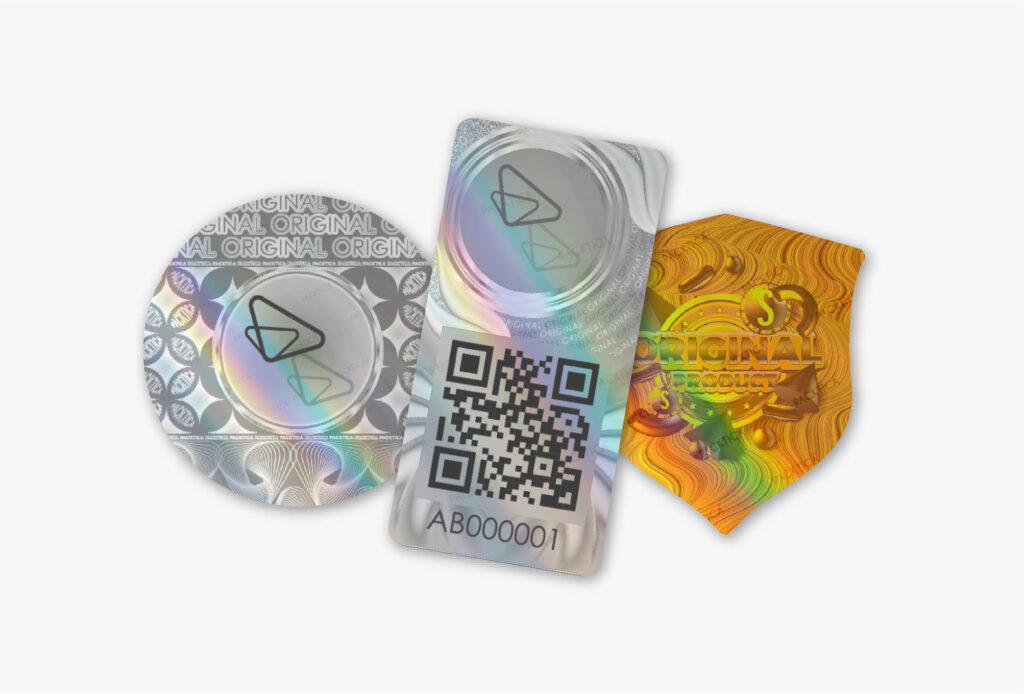
Hologram Security Label offers powerful anti-counterfeit protection and ensuring product authenticity. Easy to apply, they safeguard your brand and build customer trust.
Secure QR Codes
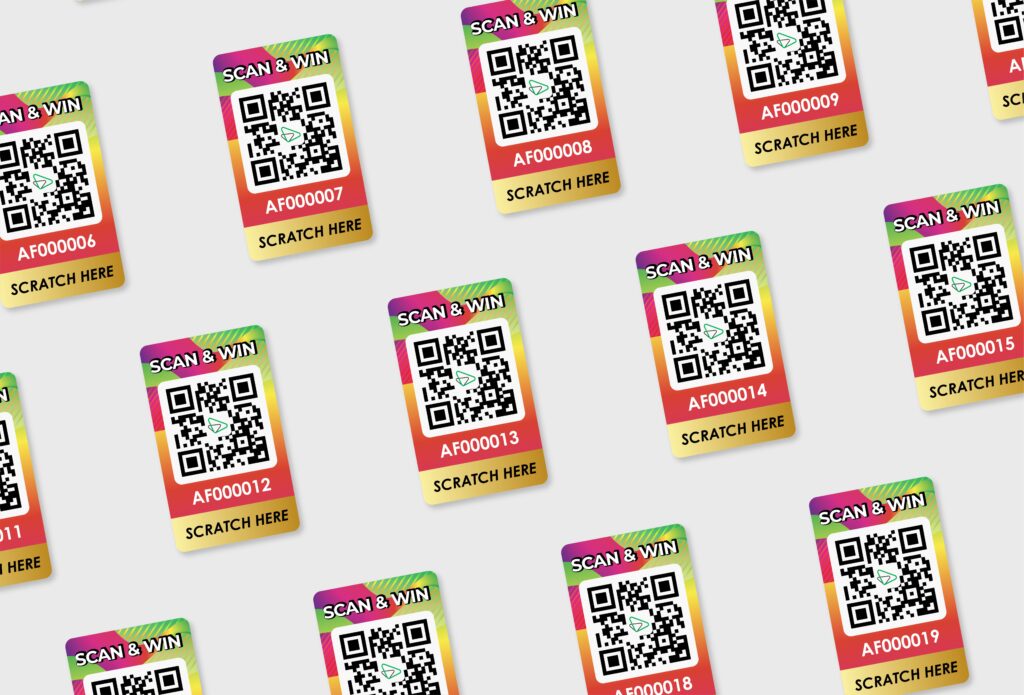
Why Secure QR Codes Are the Future of Product Authentication. Secure QR codes are revolutionizing product authentication. Secure QR codes can prevent counterfeiting, provide real-time data, and boost customer engagement. By integrating QR codes into your products, you add an extra layer of security and gain valuable insights into consumer behavior.
How to Use QR Codes for Smart Packaging?

KNOWLEDGE & EXPERTISE Press & Blog How to Use QR Codes for Smart Packaging? Product security plays a pivotal role in the consumer market, safeguarding goods from potential tampering and ensuring the integrity of the items consumers purchase. This intricate dance of supply chain safety relies heavily on technologies like tamper proof stickers and mechanisms such as sticker warranties, which work together to enhance the overall security of the product. tamper proof stickers are designed to be resistant to unauthorized access, indicating when a product has been tampered with, thus, maintaining product authenticity. Meanwhile, sticker warranties offer an added assurance of the product’s integrity, reinforcing a company’s commitment to its consumers by vowing to cover costs should the tamper-proof seal be breached. Together, these tools form a strong line of defence in the fight against product tampering, counterfeiting, and fraud. What are Tamper Proof Stickers? tamper proof stickers are a type of security label designed to prevent unauthorized access to a product and its packaging. The main purpose of these stickers is to deter tampering or manipulation of the product, hence offering a higher degree of security. Sticker warranties are another layer of customer assurance, promising that if a sticker’s tampered with, the warranty will step in. When someone tries to remove a tamper-proof sticker, it will either leave behind a noticeable residue or break apart, providing clear evidence of tampering. Some advanced tamper proof stickers even have additional security features like holographs, serial numbers, barcodes, or hidden messages that become visible when tampering occurs. Their design ensures that once they are stuck to a surface, they cannot be peeled off and re-applied without leaving visible signs of interference. Types of Tamper Proof Stickers Generally Used Destructible Vinyl Labels : These labels are made from a material that breaks apart if someone tries to remove it. They are great for deterring theft and tampering, as they can’t be removed in one piece and reattached. Void Labels : When these labels are removed, they leave behind a pattern, typically the word “VOID”, indicating the product has been tampered with. This cannot be reversed, providing a clear sign of tampering. Tamper-Evident Tape: This kind of sticker is usually used to seal packaging. If the tape is removed, it will leave a visible message on the package, like “OPENED” or “VOID”. Security Cut Labels: Also known as “security slits”, these labels have small cuts that cause the label to tear if someone tries to remove it. This prevents the label from being reapplied. Holographic Labels : These labels have a hologram that changes or disappears when the label is tampered with. They are challenging to replicate, making them a good choice for protecting against counterfeits. Water Detection Labels : These labels change colour or display a visible sign when they come in contact with water. This is especially useful for warranty and insurance purposes to show if a product has been water-damaged. What is the Difference Between Tamper-Evident Labels and Tamper-Proof Labels? Tamper-evident labels are the detectives of the label world. They won’t necessarily stop the crime, but they’ll sure tell you it happened. They visibly change when a product has been opened or tampered with. This alerts us that someone has altered the packaging. Tamper-proof labels, on the other hand, are the security guards. They make it tough for anyone to get inside without leaving a mark. Nothing’s 100% tamper-proof, but the harder it is, the more likely to be temper-proof. Use in Different Industries : You’d be surprised at how many places you’ll see tamper-evident or tamper-proof labels. From electronics to cosmetics, food, beverages, and even pharmaceuticals – they’re virtually everywhere! Luxury and Beauty Products: Luxury and beauty products often fall victim to counterfeiting due to their high value. tamper proof stickers provide a visible deterrent against counterfeits, ensuring customers that they’re buying genuine products. They also help protect against tampering that can compromise product quality or safety. Electronics: Electronic devices are popular targets for fraudsters. They use tamper proof stickers to prevent unauthorized modifications, repairs, or part removal. These stickers also provide evidence of tampering that can void warranties. Food and Beverage: Food safety is paramount. tamper proof stickers ensure the integrity of packaged food and drinks, offering a clear sign if a product has been tampered with after packaging. It ensures customers receive their products as intended by the manufacturer. Pharmaceuticals: The misuse of pharmaceuticals can have severe health consequences. tamper proof stickers on pharmaceutical products are crucial to indicate whether a medicine has been tampered with, ensuring safety and compliance with regulatory standards. How to Implement a Sticker Warranty? Setting up a sticker warranty isn’t just about slapping stickers on things and hoping for the best. Consider your product and audience. Figure out what kind of tampering could happen and what type of sticker would work best. Then, set clear terms and conditions, communicate them clearly, and stay committed to them. To begin with, define the terms of the warranty clearly. Consider the lifetime of the sticker, under what conditions it remains valid, and what instances render it void. Remember to consider the nature of your product, its lifespan, usage, and potential problems it might encounter during its life cycle. Once you’ve outlined the terms, communicate them clearly to your customers. Transparency is vital – customers should know exactly what they’re entitled to under the warranty. An effective way to manage this is by printing the warranty details directly onto the tamper-proof sticker. This way, the information is always easily accessible to the customer. Ensure your customer service and returns departments are well-versed in the warranty terms. Proper training helps ensure consistency in managing warranty claims. It’s also crucial to have systems in place for verifying warranty claims and tracking warranty periods. Key Advantages of Combining Tamper Proof Stickers and a Sticker Warranty tamper proof stickers stop tampering with packaging, and sticker warranties cover you if they somehow succeed. This combo boosts customer confidence, reduces fraud, and generally makes for happier customers and
Securing Your Product with Tamper Proof Sticker & Sticker Warranty
KNOWLEDGE & EXPERTISE Press & Blog Securing Your Product with Tamper Proof Sticker & Sticker Warranty Product security plays a pivotal role in the consumer market, safeguarding goods from potential tampering and ensuring the integrity of the items consumers purchase. This intricate dance of supply chain safety relies heavily on technologies like tamper proof stickers and mechanisms such as sticker warranties, which work together to enhance the overall security of the product. tamper proof stickers are designed to be resistant to unauthorized access, indicating when a product has been tampered with, thus, maintaining product authenticity. Meanwhile, sticker warranties offer an added assurance of the product’s integrity, reinforcing a company’s commitment to its consumers by vowing to cover costs should the tamper-proof seal be breached. Together, these tools form a strong line of defence in the fight against product tampering, counterfeiting, and fraud. What are Tamper Proof Stickers? tamper proof stickers are a type of security label designed to prevent unauthorized access to a product and its packaging. The main purpose of these stickers is to deter tampering or manipulation of the product, hence offering a higher degree of security. Sticker warranties are another layer of customer assurance, promising that if a sticker’s tampered with, the warranty will step in. When someone tries to remove a tamper-proof sticker, it will either leave behind a noticeable residue or break apart, providing clear evidence of tampering. Some advanced tamper proof stickers even have additional security features like holographs, serial numbers, barcodes, or hidden messages that become visible when tampering occurs. Their design ensures that once they are stuck to a surface, they cannot be peeled off and re-applied without leaving visible signs of interference. Types of Tamper Proof Stickers Generally Used Destructible Vinyl Labels : These labels are made from a material that breaks apart if someone tries to remove it. They are great for deterring theft and tampering, as they can’t be removed in one piece and reattached. Void Labels : When these labels are removed, they leave behind a pattern, typically the word “VOID”, indicating the product has been tampered with. This cannot be reversed, providing a clear sign of tampering. Tamper-Evident Tape: This kind of sticker is usually used to seal packaging. If the tape is removed, it will leave a visible message on the package, like “OPENED” or “VOID”. Security Cut Labels: Also known as “security slits”, these labels have small cuts that cause the label to tear if someone tries to remove it. This prevents the label from being reapplied. Holographic Labels : These labels have a hologram that changes or disappears when the label is tampered with. They are challenging to replicate, making them a good choice for protecting against counterfeits. Water Detection Labels : These labels change colour or display a visible sign when they come in contact with water. This is especially useful for warranty and insurance purposes to show if a product has been water-damaged. What is the Difference Between Tamper-Evident Labels and Tamper-Proof Labels? Tamper-evident labels are the detectives of the label world. They won’t necessarily stop the crime, but they’ll sure tell you it happened. They visibly change when a product has been opened or tampered with. This alerts us that someone has altered the packaging. Tamper-proof labels, on the other hand, are the security guards. They make it tough for anyone to get inside without leaving a mark. Nothing’s 100% tamper-proof, but the harder it is, the more likely to be temper-proof. Use in Different Industries : You’d be surprised at how many places you’ll see tamper-evident or tamper-proof labels. From electronics to cosmetics, food, beverages, and even pharmaceuticals – they’re virtually everywhere! Luxury and Beauty Products: Luxury and beauty products often fall victim to counterfeiting due to their high value. tamper proof stickers provide a visible deterrent against counterfeits, ensuring customers that they’re buying genuine products. They also help protect against tampering that can compromise product quality or safety. Electronics: Electronic devices are popular targets for fraudsters. They use tamper proof stickers to prevent unauthorized modifications, repairs, or part removal. These stickers also provide evidence of tampering that can void warranties. Food and Beverage: Food safety is paramount. tamper proof stickers ensure the integrity of packaged food and drinks, offering a clear sign if a product has been tampered with after packaging. It ensures customers receive their products as intended by the manufacturer. Pharmaceuticals: The misuse of pharmaceuticals can have severe health consequences. tamper proof stickers on pharmaceutical products are crucial to indicate whether a medicine has been tampered with, ensuring safety and compliance with regulatory standards. How to Implement a Sticker Warranty? Setting up a sticker warranty isn’t just about slapping stickers on things and hoping for the best. Consider your product and audience. Figure out what kind of tampering could happen and what type of sticker would work best. Then, set clear terms and conditions, communicate them clearly, and stay committed to them. To begin with, define the terms of the warranty clearly. Consider the lifetime of the sticker, under what conditions it remains valid, and what instances render it void. Remember to consider the nature of your product, its lifespan, usage, and potential problems it might encounter during its life cycle. Once you’ve outlined the terms, communicate them clearly to your customers. Transparency is vital – customers should know exactly what they’re entitled to under the warranty. An effective way to manage this is by printing the warranty details directly onto the tamper-proof sticker. This way, the information is always easily accessible to the customer. Ensure your customer service and returns departments are well-versed in the warranty terms. Proper training helps ensure consistency in managing warranty claims. It’s also crucial to have systems in place for verifying warranty claims and tracking warranty periods. Key Advantages of Combining Tamper Proof Stickers and a Sticker Warranty tamper proof stickers stop tampering with packaging, and sticker warranties cover you if they somehow succeed. This combo boosts customer confidence, reduces fraud, and generally makes for happier
What is Price Dumping in International Trade?
KNOWLEDGE & EXPERTISE Press & Blog What is Price Dumping in International Trade? Price dumping is a term often used in the context of international trade, but its understanding extends beyond a simple definition. It plays a pivotal role in the global economy, impacting industries, markets, and trade relations worldwide. However, the reality is more complex and potentially detrimental, especially for domestic industries that struggle to compete with lower-priced imports. This practice, though beneficial for some in the short term, can distort fair competition, lead to monopolies, and possibly instigate trade wars, undermining the very principles of free trade. Consequently, understanding price dumping, its causes, implications, and legal perspectives is critical for policymakers, businesses, and even consumers, as it affects the health of the national economy and international trade relations. Understanding Price Dumping So, what exactly is Price dumping ? To put it simply, it is a situation where a company or a country exports a product at a price lower than the one it charges in its home market. On the surface, it seems like an attractive proposition – cheaper goods for consumers in the import market. Let’s dig into the past a bit. Remember when Japanese manufacturers flooded the US market with inexpensive steel in the 1970s, or when China did something similar with solar panels in the early 2000s? That was price dumping in action. The Reasons Behind This Situation: One of the big reasons is gaining market share. By selling goods cheaply, companies can attract consumers and quickly establish themselves in new markets. Another reason is to offload excess inventory. If a company has more products than it can sell at home, it might decide to export these goods at lower prices just to get them off the shelves. Then there’s the strategy known as predatory pricing. Here, companies deliberately undercut their competitors, hoping to drive them out of business and then monopolize the market. Interestingly, price dumping can also be due to subsidies and state support. When governments financially support industries, these industries can afford to sell their goods at super-low prices. Finally, there’s strategic market penetration. Sometimes, companies use price dumping as a way to break into markets that have high entry barriers. By making their goods more attractive price-wise, they can bypass these barriers and secure a foothold. How to Identify Dumping Identifying Price dumping can be a bit tricky. One way is by determining the fair market value of a product. If goods are being sold at a significantly lower price in one country compared to another, it might be a case of price dumping. Another sign of price dumping is price discrimination. If a company charges different consumers different prices for the same product (beyond the usual factors like transportation and taxes), that’s a red flag. Economic indicators can also be used to identify price dumping. These might include sudden changes in market share, unusually low prices for certain goods, or harm to domestic industries that compete with the dumped goods. Price Dumping Vs Fair Trade Practices Price dumping and fair trade practices are essentially two ends of the spectrum. While price dumping focuses on gaining competitive advantages through low pricing, fair trade emphasizes ethical considerations, such as fair prices, decent working conditions, and sustainability. Price dumping can offer short-term benefits like market penetration and consumer savings, but it can harm domestic industries and lead to long-term economic instability. On the other hand, fair trade practices may not provide the cheapest goods, but they foster a more equitable global trade system, protecting producers and workers in developing countries. Types of Dumping in International Trade Persistent Dumping: When a company constantly sells a product cheaper in a foreign market than in its home market. Predatory Dumping: when a company temporarily lowers prices to drive competitors out of business. Sporadic Dumping: When a company occasionally sells goods cheaper overseas, usually to get rid of excess inventory. Reverse Dumping: When goods are sold cheaper domestically than internationally. This usually happens when a company wants to maintain high prices in foreign markets while keeping domestic prices low. Impact of Price Dumping This can have a pretty significant impact, and not always in a good way. On the surface, it might seem like a win for consumers who get to buy goods at lower prices. But scratch beneath the surface, and things look a little different. Domestic industries can suffer a lot from Price dumping. They often can’t compete with the low prices of dumped goods and may end up losing market share, laying off workers, or even shutting down. International trade relations can also take a hit from Price dumping. Countries that feel their industries are being harmed by dumped goods might retaliate with trade restrictions, leading to trade wars. Finally, even consumers can end up on the losing side. Yes, they get to buy goods cheaply in the short term, but in the long term, reduced competition might lead to higher prices and lower quality. The Pros and Cons of Dumping When it comes to Price dumping, the situation isn’t entirely black and white. Like many economic practices, it has its own set of advantages and disadvantages. For exporters, the short-term advantages of Price dumping are pretty clear. They get to penetrate new markets, increase sales, offload excess inventory, and potentially stifle competition. In the long run, successful dumping could lead to monopolies, allowing exporters to dictate prices and control market trends. Consumers i.e. importing countries often enjoy the benefits of lower-priced goods. These cheaper imports can lead to increased purchasing power and improved standards of living, at least initially. However, the other side of the coin reveals some serious downsides. Domestic industries are often hit hard by price dumping, as they struggle to compete with the dumped goods. This can result in job losses, reduced profits, and even industry closures. Additionally, the economies of importing countries can suffer long-term damage. Reduced domestic production could lead to increased dependency on imports, the loss of technological know-how, and economic instability.
Smart QR Code Stickers Printing: Here’s How to Use It

KNOWLEDGE & EXPERTISE Press & Blog Smart QR Code Stickers Printing: Here’s How to Use It In an increasingly digital world, QR (Quick Response) codes have emerged as an innovative and efficient solution for quickly bridging the gap between physical and digital realms. A QR code is essentially a two-dimensional barcode that stores information such as a website URL, an image, a file, or even a song. When scanned using a smartphone camera, QR codes instantly provide access to the embedded information, offering a seamless interaction for users. Incorporating these QR codes in the form of stickers elevates their versatility and ease of use. Businesses can also take advantage of more advanced capabilities by implementing “Smart QR codes” which is an evolution of QR technology. QR code stickers can be utilized on a plethora of surfaces – from product packaging to business cards, flyers, or even in-store displays – fostering a dynamic means of communication and interaction. Additionally, QR code stickers can significantly enhance customer engagement, track responses, and offer valuable insights into consumer behaviour. While their implementation may seem technical, creating and printing QR code stickers is a straightforward process, with various online tools and printers readily available. Understanding QR Codes Well, QR codes (short for Quick Response codes) are two-dimensional barcodes that can store a heck of a lot more information than the standard barcodes you see on groceries. When scanned with a smartphone, they direct you to a URL, a video, a PDF, an app, or even a song. Benefits of Using QR Codes in Sticker Form Now that you know what QR codes are, let’s talk about why you should consider using them in sticker form. Firstly, they are versatile. QR code stickers can be placed on just about anything. From product packaging to event flyers, and from business cards to billboards, the possibilities are pretty endless. Secondly, they offer an effective tracking mechanism. If you’re using them for your business, you can monitor the number of scans, the location of the scans, and more. But perhaps the coolest thing about QR code stickers is that they improve customer engagement. Scanning a QR code is interactive. It takes the customer on a journey, whether that’s to a website, a special offer, or a video. Static vs Dynamic QR Codes Static QR codes are the more traditional type. The information you embed in them is permanent and un-editable, meaning once you’ve set it, that’s it. No going back. They’re simple, but they do have limitations. Dynamic QR codes, on the other hand, are the new kids on the block. They’re a little more sophisticated. You can change the information they carry even after you’ve printed them. Plus, you can track the scans, which is a game changer if you’re using them for business. The Importance of Dynamic QR Codes Let’s circle back to dynamic QR codes for a moment. We touched on them, but they’re so useful, they’re worth revisiting. The great thing about dynamic QR codes is that you can edit them. Got a QR code on your business card that leads to your old website? No problem – with a dynamic QR code, you can update the link without needing to print new business cards. And as we mentioned before, you can track scans with dynamic QR codes. This is a game changer for businesses. You can gather data about your customers’ behaviours, and use that information to improve your marketing strategy. How to Create a QR Code Stickers? Well, all you need is a QR code generator, which you can find online for free. You pop in the URL, file, or information you want to encode, and you’ve got yourself a QR code. But remember, your QR code doesn’t have to be a boring black-and-white square. Most QR code generators will allow you to customize the design, so you can add logos, change colours, and make it jive with your brand’s aesthetic. Instead of leading them to free generator, isn’t it better to make them connect to Packtica? Eg. While QR codes can be generated online, it is more secure to generate unique QR codes that appear on each individual product. This service can be provided by specialists, such as those found on packtica.com. QR Code Printing Once you have your beautifully designed QR code, it’s time to transform it into a sticker. First, you need to decide what kind of sticker you want. Do you want a label to put on your products? Or a decal to put in your store’s window? There are many options, so pick what suits you best. Next, you need to choose the right printer. Some printers are better at printing QR codes than others. You want a printer that can handle high-resolution printing to make sure your QR codes are scannable. Ensuring QR Code Scannability and Readability Making sure your QR codes are scannable is critical. Firstly, consider the size of your QR code. It needs to be big enough for a smartphone camera to read it. On the other hand, a QR code that’s too big and dense may also be difficult to scan. Secondly, consider the colour contrast. Black-white works best, but you can use other colour combinations as long as they contrast enough for the code to be readable. Examples of Custom QR Code Stickers Now, let’s talk about the cool stuff you can do with your brand-new QR code stickers. Imagine this: a customer picks up your product. They’re interested but want to know more. They scan the QR code stickers on the packaging, and instantly they’re watching a video about how the product is made. Now that’s some impressive marketing right there. But it doesn’t stop there. You can use QR codes as part of your overall design strategy. With customizable designs, QR codes can complement your branding and make your product stand out. And if you want to get creative, you can have QR codes that lead to different types of files. Maybe it’s a
Holography as the Vanguard of Anti-Counterfeit Packaging
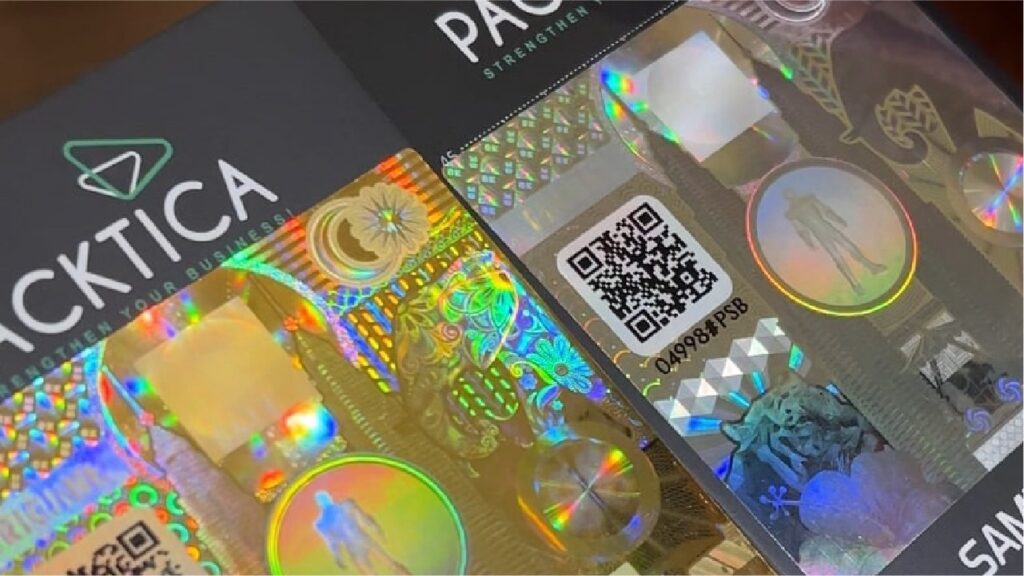
KNOWLEDGE & EXPERTISE Press & Blog Holography as the Vanguard of Anti-Counterfeit Packaging The challenge to protect brands and ensure product authenticity has been a long-standing concern in various industries. With the relentless advances of counterfeit technology, the demand for advanced, innovative, and tamper-evident packaging security solutions has significantly escalated. Amid this burgeoning need, holography emerges as a potential game-changer. This post delves into the fascinating world of holograms, their role in packaging security, and how they safeguard brands and their customers. What are Holograms? Holography is a photographic technique that records the light scattered from an object and then presents it as three-dimensional. This technology creates a realistic depth-of-field perception, which is not possible in traditional photography. Holograms contain several layers of images stacked over each other that appear to move as you change your point of view. This sophisticated and complex technology is extremely challenging to replicate, which makes it an ideal tool for security. The Hologram Revolution in Packaging Security Holographic technology is not new, but its applications in packaging security are pushing the boundaries of innovation. When incorporated into packaging design, holograms serve as a multi-purpose solution that offers product authentication, enhances aesthetic appeal, and significantly contributes to branding. Brand Protection: Holograms are exceptionally hard to replicate, making them a robust defense against counterfeiting. By embedding these onto product packaging, companies can safeguard their brand identity and ensure that their customers receive only authentic goods. Consumer Assurance: Consumers can easily identify and verify the authenticity of a product by looking for the hologram on the package. This visible proof of legitimacy instills confidence in customers, enhancing their overall purchasing experience. Brand Promotion: Apart from security, holograms also offer a unique aesthetic appeal. Their dynamic, colorful, and interactive nature can enhance a product’s visual appeal, making it more attention-grabbing on the shelves. Hence, holograms can be an effective branding tool, helping products stand out in a crowded marketplace. How Holograms Protect Consumers Counterfeit products can be more than just a financial threat; in sectors like pharmaceuticals and food & beverages, they can pose significant health risks. Holograms play a critical role in protecting consumers from such threats. By ensuring product authenticity, holograms help consumers avoid potentially harmful counterfeit goods. Consumers can trust the legitimacy of the products they purchase by simply checking the hologram. As a result, consumers can make safer purchasing decisions, enhancing their trust in the brands they choose to engage with. Link:https://www.packtica.co.th/our-solutions/products/holographic-label The Future of Holography in Packaging The potential applications for holography in packaging security are expansive and promising. With the increasing availability of smartphone-enabled hologram verification apps, consumers will be able to authenticate products quickly and accurately. This further evolution of holography will strengthen the consumer-brand relationship, making the purchasing experience more interactive and trustworthy. Furthermore, advancements in nanotechnology and 3D printing could potentially lead to the development of more sophisticated and customizable holograms, making them even more difficult to forge. In conclusion, holograms offer a powerful, multifaceted solution to the complex problem of packaging security. As we embrace the technological future, it’s clear that holography will play a vital role in the ongoing battle against counterfeiting, while enhancing brand identity and fostering a safer and more confident customer experience. As brands and consumers alike, we have much to look forward to in the world of holographic technology Share Via BACK TO LISTING You May Also Like All Posts Uncategorized Read More Holography as the Vanguard of Anti-Counterfeit Packaging Read More Packaging Security’s Battle Against Counterfeiting Read More WHY YOU SHOULD OPT FOR QR CODE PACKAGING FOR YOUR PRODUCTS?